Car Key Replacement by Vehicle Brand: What You Need to Know
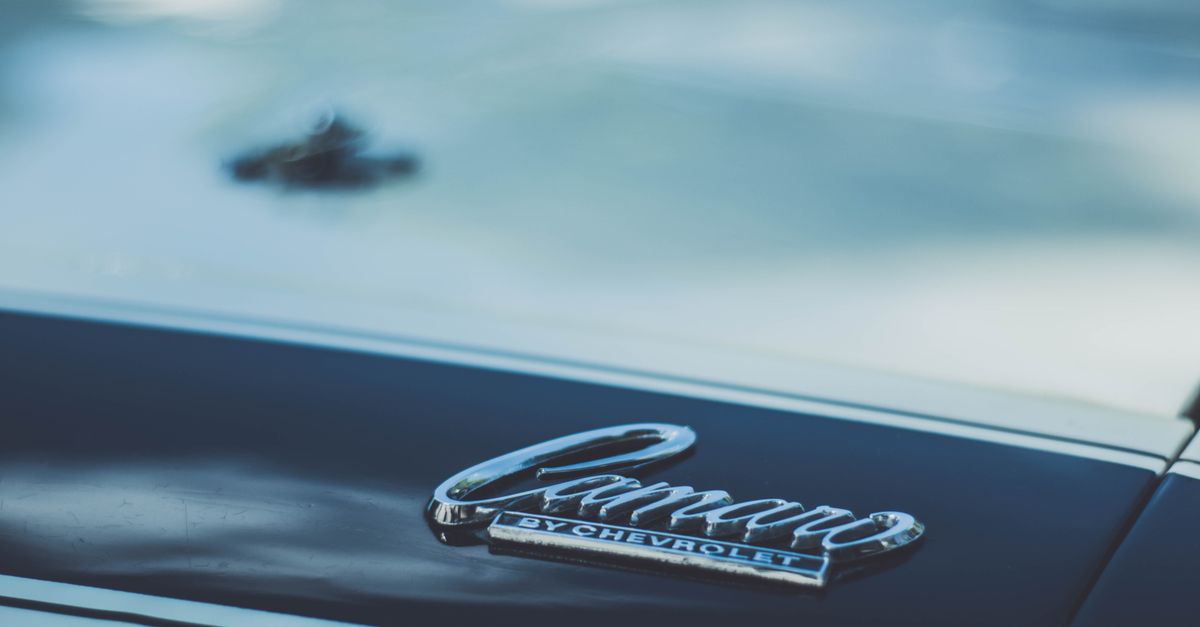
Not every vehicle key is created equal, and understanding the differences helps set realistic expectations before our technician arrives. Domestic brands like Ford, Chevrolet, and Dodge have used a variety of key systems over the decades — older models from the 1990s often use basic laser-cut or double-sided keys with no electronics at all, while newer trucks and SUVs use 80-bit encrypted transponder chips or push-button proximity fobs that must be paired to the vehicle's onboard computer. Our team handles both ends of that spectrum on the same service call.
Japanese manufacturers including Toyota, Honda, Nissan, Subaru, and Lexus are among the most common vehicles on New York streets, and each brand has its own immobilizer protocol. Toyota and Lexus smart keys, for example, require a specific sequence of ignition cycles and OBD-II communication to register a new fob. German brands — Mercedes-Benz, BMW, Audi, and Volkswagen — tend to have more sophisticated encrypted systems where the new key must be coded to the vehicle identification number and, in some cases, synchronized with the anti-theft module. We carry the specialized equipment required for these procedures and perform them damage-free, without drilling ignitions or forcing panels. Luxury domestic vehicles like Cadillac and Lincoln, as well as Korean brands such as Hyundai and Kia, follow their own distinct procedures that our technicians are trained on as well.