What Happens to Your Locks and Door During a Forced Entry
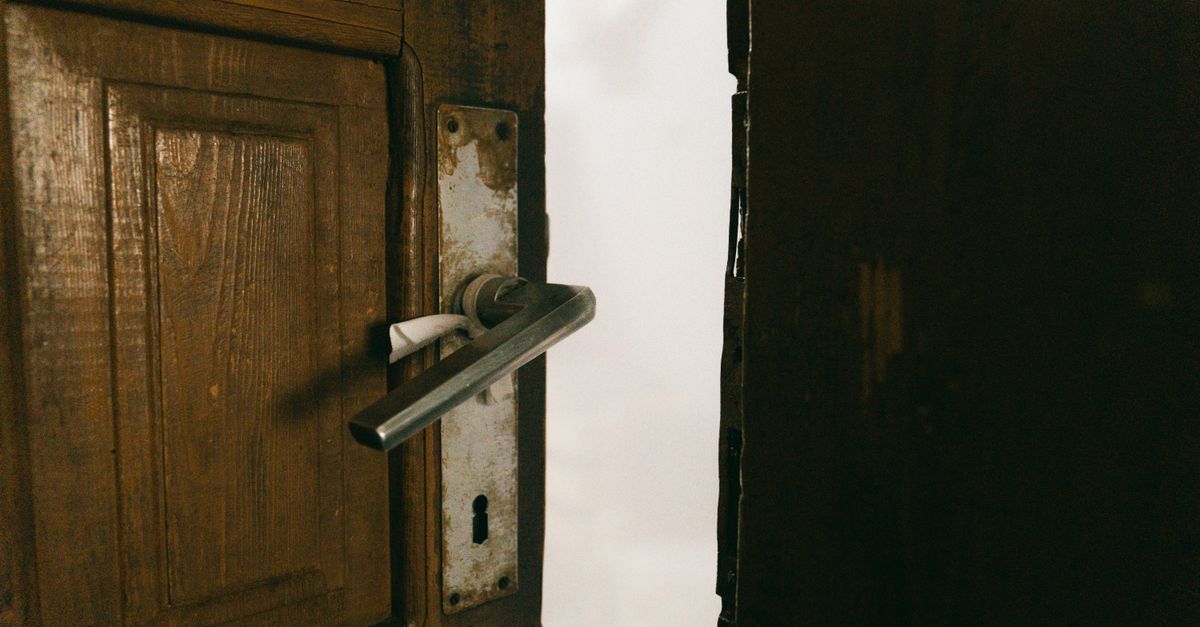
Burglars rarely pick locks cleanly. The most common forced-entry methods in New York City — shoulder barging, prying, or using a blunt tool against a door knob lock — cause structural damage that goes well beyond the lock cylinder itself. A mortise lock, for instance, is embedded deep into the door stile; when the door is forced, the mortise pocket can crack, the lock case can shear, and the accompanying deadbolt cam can bend out of alignment entirely. On older pre-war buildings common throughout Harlem and the Upper West Side, wood door stiles are often thinner and more vulnerable, meaning the damage can extend several inches above and below the lock body.
Door knob locks and cylindrical locksets suffer differently. Because a knob lock mechanism sits closer to the surface, a forceful kick or wrench attack can snap the spindle, strip the latch mechanism, or crack the rose plate — leaving the door unable to latch at all even if the cylinder is intact. A common question homeowners search after a break-in is how to break into a door knob lock, which tells you something important: these locks are the most frequently targeted precisely because they are the easiest to defeat. That is why our technicians, after any break-in repair, will walk you through an honest assessment of your current lock grade and recommend a meaningful upgrade where it is warranted.