What Is a Mortise Lock and Why NYC Buildings Rely on Them
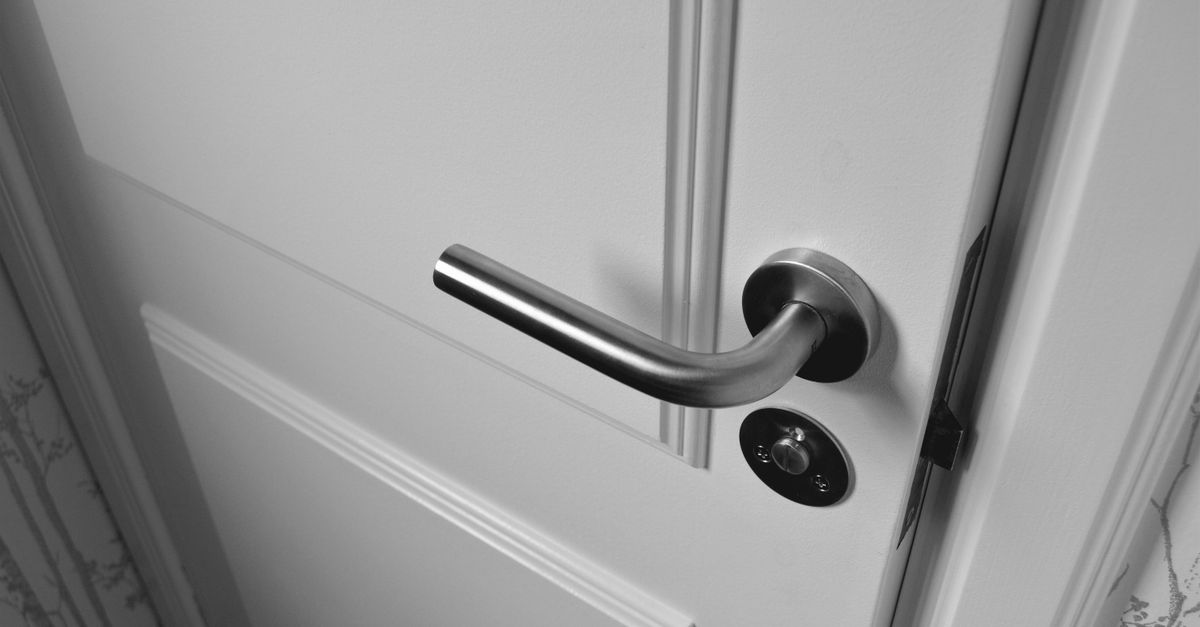
A mortise lock is a self-contained lock assembly — including a latch bolt, deadbolt, and in many configurations a privacy knob or lever — that is installed inside a precisely routed pocket in the door stile rather than surface-mounted on top of it. That recessed design distributes kick and pry force across the full thickness of the door, which is exactly why New York City's building codes and landlords have favored them for generations. Walk into virtually any pre-1960s apartment building along Amsterdam Avenue, St. Nicholas Place, or the Grand Concourse and you will find the same cast-iron or zinc mortise bodies that were installed when those buildings were new.
Understanding what is a mortise lock also means understanding its components: the lock body itself (containing the bolt works and springs), the mortise lock cylinder that accepts the key, the trim package (escutcheon plate, thumbturn, and knob or lever), and the strike plate mortised into the door frame. Because each part ages independently, a technician can often repair or replace just the failing component rather than the entire mortise lock set — saving time and preserving the original hardware that many New York landlords and co-op boards require to remain in place.