How Master Key Systems Actually Work — and Why the Mortise Lock Is Central to Them
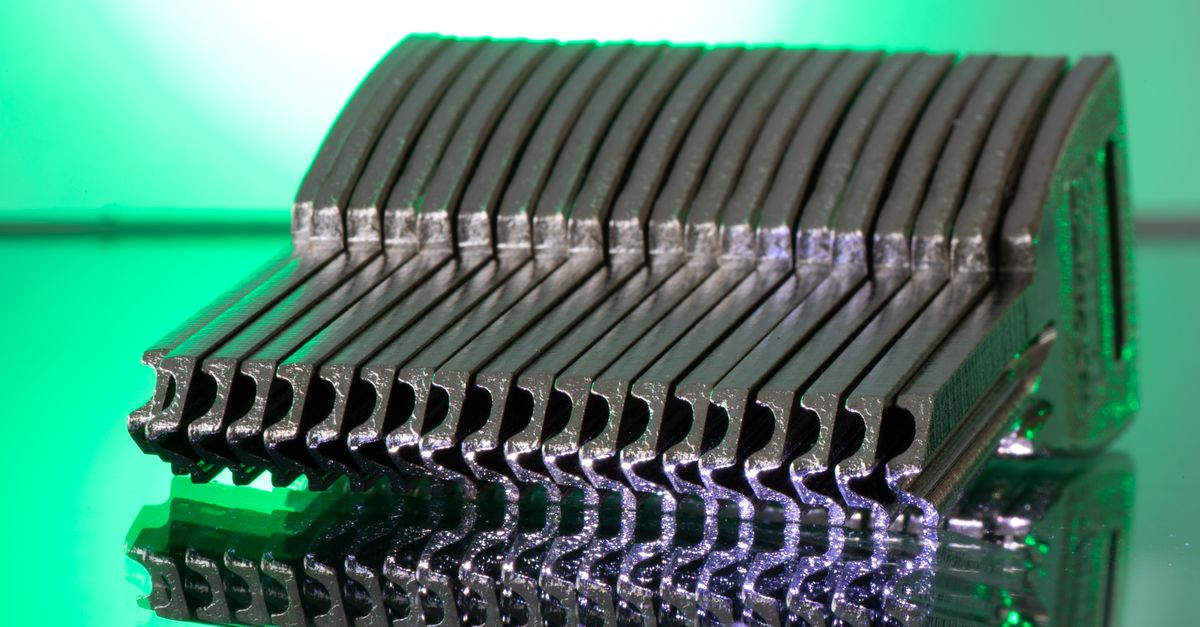
A keying hierarchy is built around a mechanical principle called the master wafer or split pin. Inside each cylinder, the standard pin stacks are supplemented with an additional shear point, allowing two different key cuts to both rotate the plug — the individual change key and the master key. In a Grand Master arrangement, you can have three or four shear points per pin chamber, enabling a Grand Master key to open every lock in the building, department master keys to open clusters of locks within a zone, and individual change keys that open only one door. The more levels in the hierarchy, the more carefully each cylinder must be pinned so that no unintended cross-keys emerge. This is precision mechanical work, not a task for uncalibrated key duplication machines.
The mortise lock is the preferred hardware platform for serious keying systems in New York commercial and residential buildings, and for good reason. A mortise lock body sits inside a routed pocket in the door edge, housing the latch, deadbolt, and cylinder in one integrated unit. This design gives technicians access to a full-size cylinder with more pin chambers than a standard door knob lock, which translates directly into more available key differs — the unique cut combinations that prevent cross-keying conflicts. Pre-war Manhattan apartment buildings and older Harlem brownstones are filled with mortise lock hardware that, when properly maintained and rekeyed, can support sophisticated multi-level keying without any structural modification to the door. Our technicians assess each mortise lock on-site to confirm the cylinder type, the number of available pin chambers, and whether the existing hardware can be retained or needs an upgrade before the master key plan is drawn up.